A Better Path Forward: Why Playing 7v7 Isn’t the Answer

A Better Path Forward: Why Playing 7v7 Isn’t the Answer
Series: The Truth About Youth Soccer – What Most Clubs Won’t Tell You (Article 2 of 5)
How a Rushing into 7v7 is Hindering Youth Development
Picture this: your young player, full of energy and excitement, steps onto a field, ready to play the game they love. But instead of a small-sided match where they can have quality time on the ball, they’re lost in a sea of players on a giant field, barely touching the ball. Coaches shout directions. Players are told where to stand, how to pass, what formation to follow. In many cases, they’re up against older or more advanced teams, or weaker, less experienced teams, and this is not what soccer should look like for our youngest ages.
Back in 2017, U.S. Soccer saw this coming. They released Player Development Initiatives recommending that kids ages 6 - 8 play 4v4 games,emphasizing ball touches, creativity, and fun. Their guidance was clear: early development should happen in in-house environments, where all kids train and play together, without formal teams or league pressure.
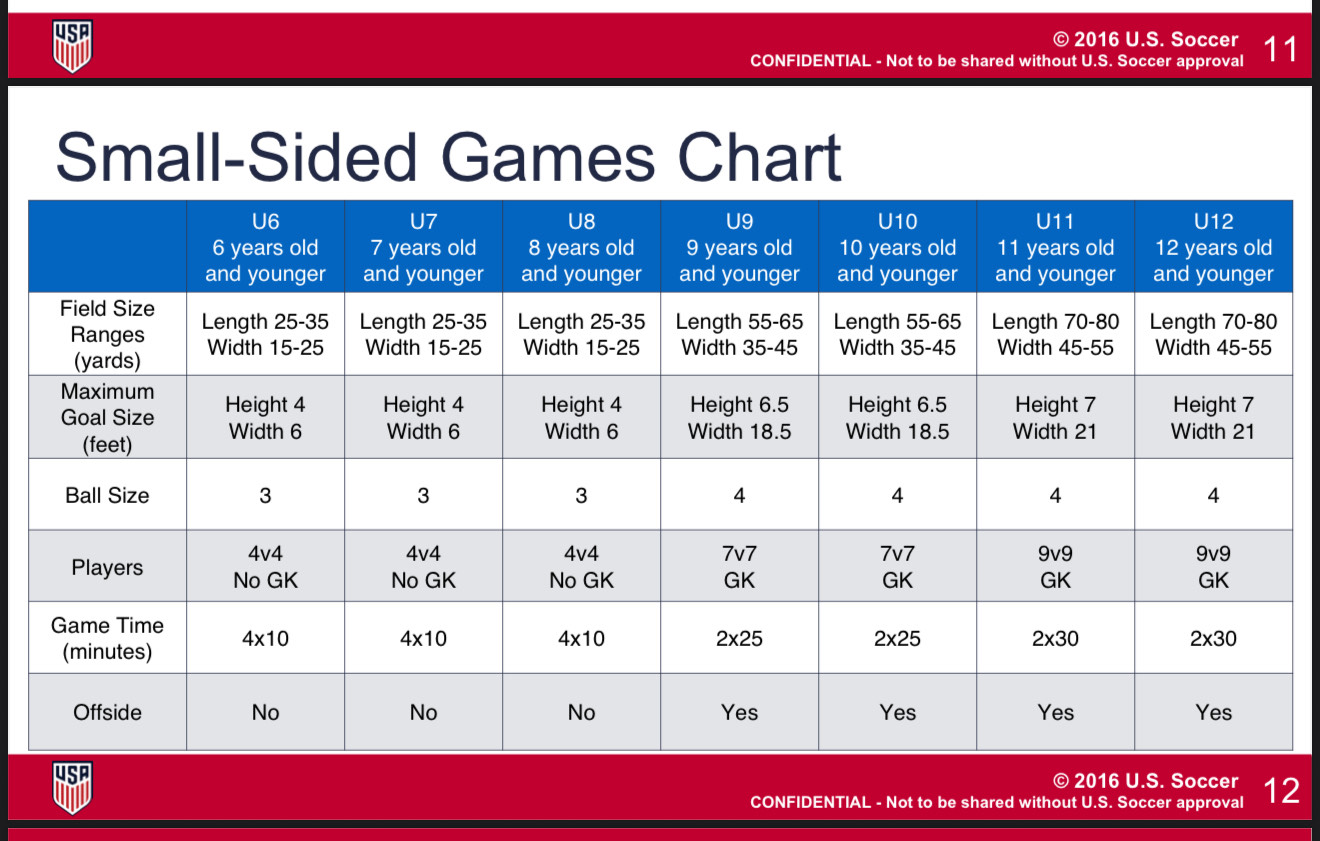
They even stated:
“Formal games are not needed at this age.”
“Utilize in-house programs with a pool of players, not fixed teams.”
Yet, despite these national guidelines, many clubs push players into 7v7 leagues and tournaments by U6 and U7. Against the recommendations and common sense.
If you're wondering why, you're not alone.
What’s the Real Cost?
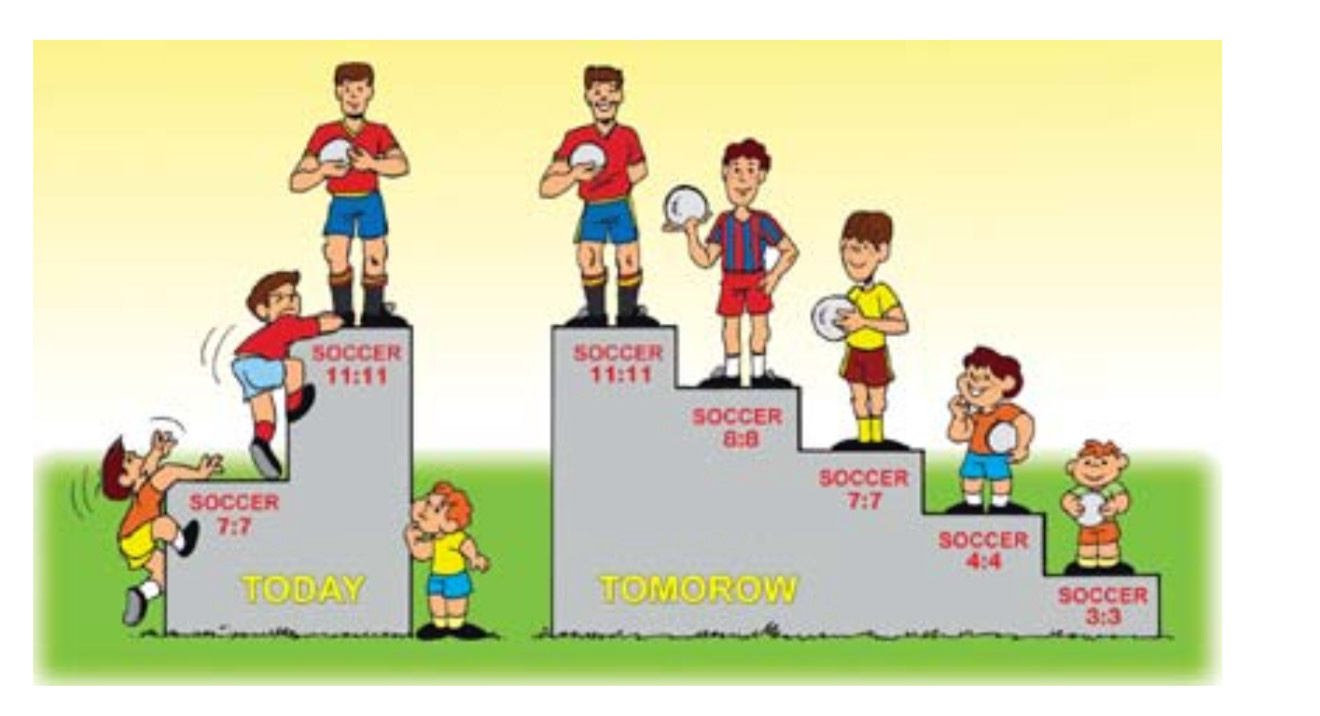
When we skip over 3v3 and 4v4 and jump into 7v7 too early, here’s what we lose:
Fewer ball touches per player
Confusion from over-complicated tactics
Practices focused on passing patterns, formations, and scrimmaging 7v7
Less time on essential skills like dribbling, 1v1 play, and decision-making
It’s not development. It’s early system training. And it’s costing our kids the chance to actually learn how to play.
Young kids don’t need systems, they need freedom.
They need repetition.
They need to fail and figure it out in real game situations.
They need 1v1, 2v2, 3v3, and 4v4 small-sided games.
They need the game in its simplest form.
What the World Has Learned (That We’re Still Ignoring)
Across Europe, soccer federations aren’t just recommending small-sided play, they’re building their entire youth systems around it. Here’s how:
Netherlands
The KNVB prioritizes 3v3 and 4v4 to mimic street football, where kids learn to think, create, and express themselves with the ball. Structure comes later. Read more.
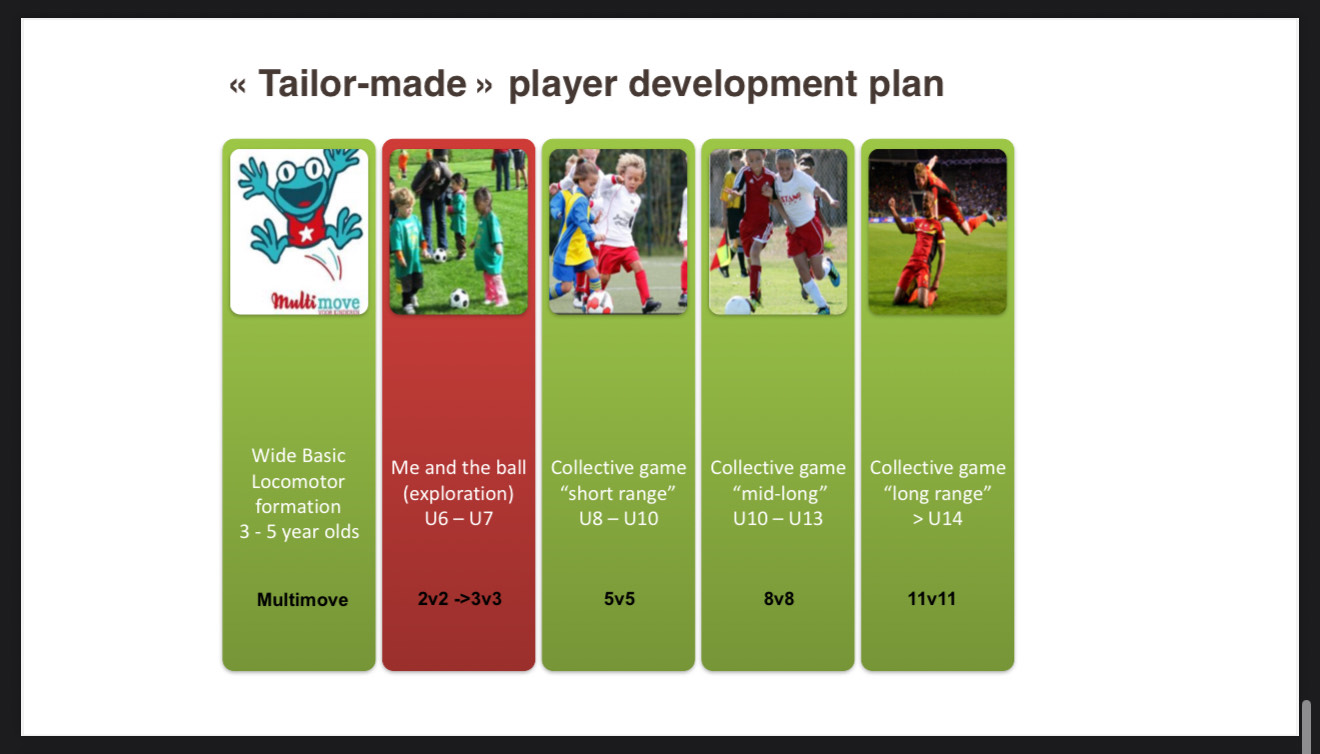
Belgium
Through “Plan 2020,” Belgium replaced early 11v11 with 2v2 to 5v5 formats, centering development around the child, not the scoreboard. Their resurgence is no accident. Read more.
Germany
Facing a talent drought, the DFB overhauled its foundation phase with 3v3 and coach re-education, focusing on freedom, repetition, and individual growth. Read more.
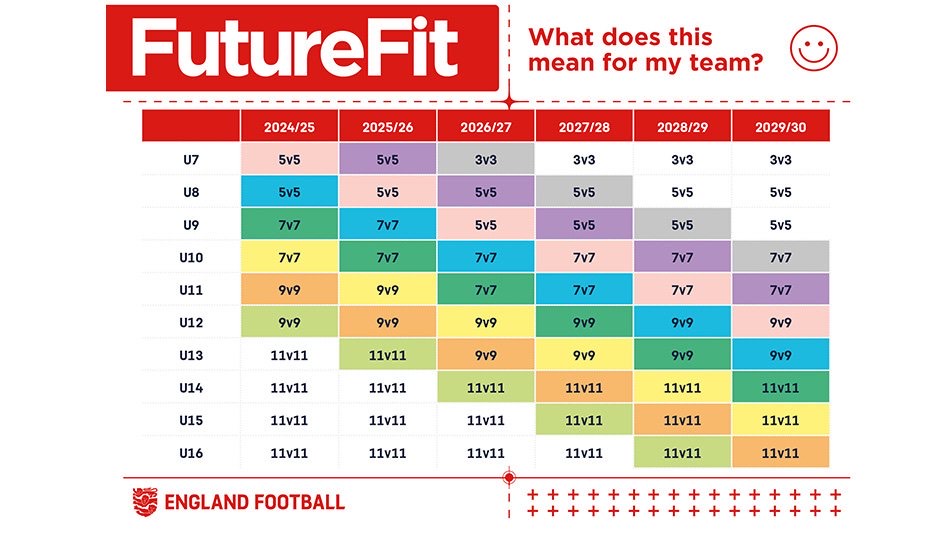
England
The FA’s “Future Game” reforms emphasize 3v3 and 5v5, smaller pitches, and skill-first coaching for players aged 5–11. Read more.
These aren’t tweaks, they’re national commitments.
The message is clear: if we want better players, small-sided must come first.
Vision Soccer’s Commitment: Development First, Always
At Vision Soccer, we believe in doing what’s right, not what’s popular. Our model is built on the principle that developmental readiness determines when a player progresses to 7v7, not age or league pressures.
Here’s what we do differently:
Introduce 7v7 only when players are ready, technically, emotionally, and physically
Continue prioritizing small-sided play even for our competitive teams
Maintain an in-house 3v3 and 4v4 program that supports long-term growth
- Focus our curriculum on:
Ball mastery
1v1 and 2v1 situations
Individual and Small-group tactics
Game intelligence through repetition
We also keep matches local, reducing travel costs and fatigue for families. We value community, confidence, and enjoyment, not just competition.
This Isn’t Just a Club. This Is a Movement.
What if we stopped chasing wins at U7?
What if we gave kids the space to fall in love with the ball before asking them to pass it?
What if we let learning, not league schedules, guide the path forward?
We’re not here to patch the system.
We’re building a new foundation.
Where development is king.
Where players are seen as individuals.
Where the game fits the child, not the other way around.
We’re doing this in the San Fernando Valley, and we’re just getting started.
Let’s give our kids a better path forward, one touch, one small-sided game at a time.
If you’re looking for a development-first soccer program for your child, learn more at www.visionsoccer.org